
"gas release"
400 article(s) found

Basic knowledge of coffee packaging and storage of coffee beans
Freshly roasted coffee beans release hundreds of chemicals, which takes a day or two to dissipate to achieve the best taste. Nowadays, many high-quality roasters pack coffee beans in sealed bags with one-way valves to release the gas and prevent coffee beans from being stored in destructive gases. This kind of packing helps to keep the coffee
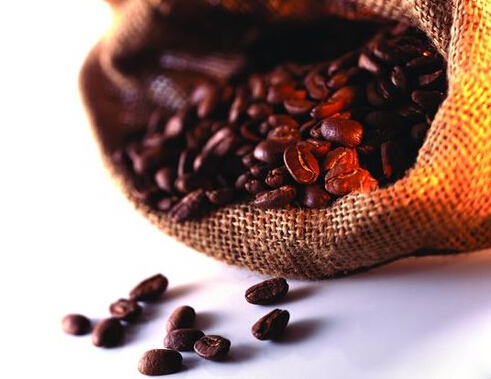
How to preserve roasted coffee beans correctly can make them release better flavor when drinking.
The coffee beans we usually use are roasted beans, so we should choose the appropriate method to pack and preserve them, so that the quality of coffee beans can be preserved in the most perfect state when we make coffee. Non-airtight packaging: this is the most economical one. It is usually used by local small baking plants because they can guarantee prompt supply. Coffee beans can be eliminated in time.

The method of "steaming" Coffee for the purpose of making Coffee individual Coffee
How to brew coffee is the best to drink, and how to make coffee is the best. Today, Brista Coffee West Point training College will tell you the correct brewing and brewing requirements of coffee. Baristas who have been in the industry for many years all know that the golden ratio of coffee brewing is in [1: 13. 6: 1]. Because this ratio range is the easiest to brew out the good taste of coffee, extract the delicious part of the coffee. This interval

6 Coffee Knowledge Questions
Q: Should coffee beans be stored in the refrigerator after opening? How to preserve it? A: As long as it is sealed and placed in a cool place at normal temperature. It is not recommended to put coffee in the refrigerator. If you put it in the refrigerator, when you want to drink coffee, take it in and out. The fresh-keeping temperature of coffee is unstable, but it leads to faster odor loss. What's more, coffee has deodorant function. This does not become a deodorant.
Six steps to identify coffee
1. Fragrance: the first step in cup evaluation is to evaluate the aroma of coffee beans. Grind 10 grams of coffee, put it in 3-5 sample cups, and then breathe hard at the gas released by the freshly crushed coffee cells. The characteristics of the aroma indicate the essence of the taste of coffee beans: the sweet smell indicates that its taste is sour; the pungent smell indicates that its taste is irritating. The power of aroma
Siphon key finishing
1. There is also "stewing" in siphon stewing. The expression of this process in siphon cooking is that coffee powder absorbs water at a certain temperature, and the ingredients in coffee powder are exchanged by the principle of heat exchange. during the exchange, various ingredients in the coffee will release gas because of the temperature, forming the phenomenon of expansion, and keeping the temperature at a non-boiling state can make the "stew"

SCAA coffee cup testing process
1. Fragrance: the first step in cup evaluation is to evaluate the aroma of coffee beans. Grind 10 grams of coffee, put it in 3-5 sample cups, and then breathe hard at the gas released by the freshly crushed coffee cells. The characteristics of the aroma indicate the essence of the taste of coffee beans: the sweet smell indicates that its taste is sour; the pungent smell indicates that its taste is irritating. The power of aroma
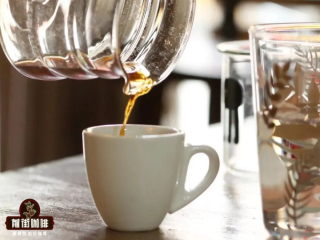
Introduction to the characteristics of steaming of hand-brewed coffee in the process of steaming
Steaming is an important step in making coffee, and words such as "whether the coffee is good or not, just look at the steaming state" and so on. So when we learn to make coffee, we all intentionally or unintentionally "develop" a perfect "coffee burger". But if you understand the logic behind steaming, you will find that steaming is

Coffee roaster accessories: HB coffee bean roasting brand L2 HB-M5 gas nozzle
Color classification: LPG nozzles are added DME LPG nozzles Natural Gas nozzles name: LPG nozzles specifications: LPG applicable models: suitable for HB Coffee roasters introduction: applicable to standard quality LPG (bottled gas) name: added DME LPG nozzles specifications: DME LPG applicable models: applicable
Six steps of coffee cup evaluation
The six steps of coffee cup evaluation describe the aroma, aroma, taste, smell, aftertaste and mellowness of coffee. 1. Fragrance: the first step in cup evaluation is to evaluate the aroma of coffee beans. Grind 8.25 grams of coffee, put it in 3-5 sample cups, and then breathe hard at the gas released by the freshly crushed coffee cells. The characteristics of the aroma indicate the taste of coffee beans.
Six steps to taste coffee
There are six steps in coffee cup evaluation, describing the aroma, aroma, taste, smell, aftertaste and mellowness of coffee. 1. Fragrance: the first step in cup evaluation is to evaluate the aroma of coffee beans. Grind 10 grams of coffee, put it in 3-5 sample cups, and then breathe hard at the gas released by the freshly crushed coffee cells. The characteristics of the aroma indicate the essence of the taste of coffee beans:
Answers to simple coffee knowledge questions
Q: should I store the coffee beans in the refrigerator after they are opened? How to save it? Answer: as long as it is sealed in a cool place at room temperature. Coffee is not recommended to be put in the refrigerator. If you put it in the refrigerator and take it in and out when you want to drink it, the fresh-keeping temperature of the coffee is unstable, which leads to the faster loss of smell, not to mention that coffee has the function of deodorizing. This has become a deodorant.
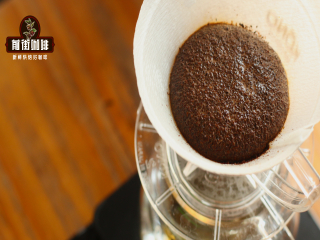
What is the reason why hand steaming did not form a "hamburger"? Detailed introduction of steaming and water injection techniques
When brewing freshly baked coffee, watching the powder layer expand in hot water to form a round drum exhaust is a great pleasure for many hand players. When the powder layer does not prop up in the steaming stage, or even "sunk" down, we will wonder if there is something wrong, will this cup of coffee taste good? Why are you bored?

[answer] what happens if there are no beans for coffee? What is meant by raising beans / awakening beans\ ripe? How to raise beans?
Professional coffee knowledge exchange more coffee bean information please pay attention to the coffee workshop (Wechat official account cafe_style) coffee beans fresh is better? "raise beans" vs. "fresh-baked", which is better or worse? Q: do coffee beans need to grow beans or wake up beans (part two) what is meant by raising beans (awakening beans, ripe beans)? I remember that when I first played coffee, in addition to running around the coffee shop, I couldn't help buying it.

The correct steaming method of hand-brewed coffee explain why hand-brewed coffee should be steamed.
Professional coffee knowledge exchange more coffee bean information Please follow the coffee workshop (Wechat official account cafe_style) hand-brewed coffee steaming and water injection methods hand-brewed coffee water temperature and powder water ratio data steaming in English is often expressed as Bloom, which refers to the preparatory action of wetting a small amount of hot water evenly on the surface of coffee powder during hand brewing before formal water filling. Muggy
Coffee common sense SCAA coffee cup testing process
1. Fragrance: the first step in cup evaluation is to evaluate the aroma of coffee beans. Grind 10 grams of coffee, put it in 3-5 sample cups, and then breathe hard at the gas released by the freshly crushed coffee cells. The characteristics of the aroma indicate the essence of the taste of coffee beans: the sweet smell indicates that its taste is sour; the pungent smell indicates that its taste is irritating. The power of aroma
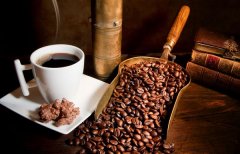
The six steps of coffee tasting: aroma, aroma, taste, smell, aftertaste and mellowness
Coffee tasting has six steps to describe the aroma, aroma, taste, smell, aftertaste and mellowness of coffee. 1. Fragrance: the first step in tasting is to evaluate the aroma of coffee beans. Grind 8.25 grams of coffee, put it in 3-5 sample cups, and then breathe hard at the gas released by the freshly crushed coffee cells. The characteristics of the aroma indicate the taste of coffee beans.

Six steps of coffee cup evaluation
There are six steps in coffee cup evaluation, describing the aroma, aroma, taste, smell, aftertaste and mellowness of coffee. 1. Fragrance: the first step in cup evaluation is to evaluate the aroma of coffee beans. Grind 10 grams of coffee, put it in 3-5 sample cups, and then breathe hard at the gas released by the freshly crushed coffee cells. The characteristics of the aroma indicate the essence of the taste of coffee beans:
Answers to questions about coffee knowledge
Q: should I store the coffee beans in the refrigerator after they are opened? How to save it? Answer: as long as it is sealed in a cool place at room temperature. Coffee is not recommended to be put in the refrigerator. If you put it in the refrigerator and take it in and out when you want to drink it, the fresh-keeping temperature of the coffee is unstable, which leads to the faster loss of smell, not to mention that coffee has the function of deodorizing. This has become a deodorant.